
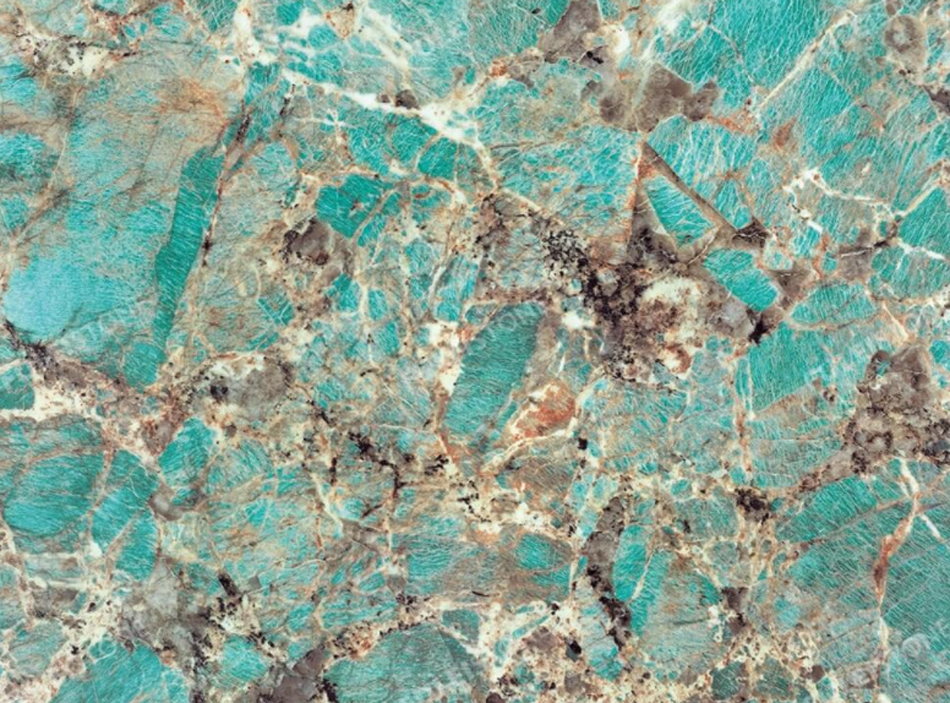
In the vibrant kitchens and luxurious bathrooms of Miami, the choice of countertop material significantly impacts both aesthetics and functionality. For years, granite has held the throne as the go-to natural stone, celebrated for its durability and diverse patterns. However, a formidable contender has emerged, capturing the hearts of homeowners and designers alike: quartzite. Often mistaken for its engineered counterpart, quartz, true natural quartzite is a metamorphic rock that offers a compelling blend of beauty, resilience, and unique appeal. Here at Pantai Granite, we’re seeing an increasing appreciation for quartzite, and for good reason. Let’s delve into the fascinating differences between quartzite and granite and discover why Miami is embracing this remarkable stone.
Understanding the Nature of Each Stone
While both quartzite and granite are natural stones formed deep within the Earth’s crust, their geological origins and compositions lead to distinct characteristics:
Granite: An igneous rock, granite forms from the slow cooling and crystallization of molten magma. Its composition typically includes quartz, feldspar, and mica, resulting in a granular appearance with a wide array of colors and intricate patterns, often described as having “movement” or “speckles.” Granite is known for its remarkable hardness and resistance to heat and scratches.
Quartzite: This magnificent metamorphic rock begins its life as sandstone. Under immense heat and pressure, the quartz grains within the sandstone recrystallize, fusing together to form a much denser and harder material – quartzite. This transformation gives quartzite its characteristic shimmering, glassy appearance and a hardness that often rivals or even exceeds granite. Visually, quartzite frequently mimics the elegant veining of marble, but with far superior durability.
The Durability Debate: Quartzite’s Edge
When it comes to resisting the daily demands of a busy Miami household, both granite and quartzite are exceptional choices. However, quartzite often boasts a slight edge in certain performance areas:
Hardness: On the Mohs Hardness Scale, which measures a mineral’s resistance to scratching, quartzite typically ranks at a 7, while granite falls slightly behind at 6-6.5. This means quartzite is often marginally harder and more resistant to scratching and chipping than granite, making it an excellent candidate for active kitchens.
Etching Resistance: This is where quartzite truly shines, especially compared to softer stones like marble. Because quartzite is primarily composed of quartz, it is highly resistant to etching from acidic substances like lemon juice, vinegar, or wine. While granite is generally good in this regard, some granite varieties can be more susceptible to etching than quartzite, particularly those with higher calcite content. This makes quartzite a low-worry option for spills and everyday culinary adventures.
Heat Resistance: Both stones are remarkably heat-resistant, capable of withstanding hot pots and pans without damage. This is a significant advantage over engineered quartz, which can be susceptible to scorching from high heat.
UV Resistance: Quartzite is particularly resistant to UV rays, making it an ideal choice for outdoor kitchens or areas that receive significant direct sunlight, without fear of fading or discoloration over time. This is a crucial benefit in sunny Miami.
Aesthetic Appeal: A Matter of Preference
While durability is key, the visual appeal of your countertops is paramount. Both granite and quartzite offer distinct beauty:
Granite’s Diversity: Granite is famous for its vast spectrum of colors and patterns. From deep blacks and browns to vibrant reds, greens, and blues, granite slabs can feature tight speckles, flowing waves, or dramatic mineral deposits. Its unique “movement” makes each slab a piece of natural art.
Quartzite’s Elegance: Quartzite often delivers a sophisticated aesthetic that rivals the elegance of marble, with subtle to dramatic veining against backgrounds of white, gray, beige, or even subtle blues and greens. It offers a cleaner, often brighter look, appealing to those who desire a refined yet understated elegance in their space. The inherent sparkle from the quartz crystals also adds a unique luminous quality.
Why Miami is Embracing Quartzite
Miami’s design trends often lean towards bright, airy, and sophisticated spaces, making quartzite a natural fit. Its ability to provide the luxurious look of marble without the same maintenance concerns for etching and staining makes it incredibly appealing to homeowners seeking both beauty and practicality. The resilience of quartzite in Miami’s humid climate, its resistance to heat, and its exceptional durability for bustling family kitchens or entertaining areas, further solidify its growing popularity.
For those considering a new countertop, exploring both granite and quartzite is essential. Both are premium natural stones that will add immense value and beauty to your home. However, if you are drawn to the luminous, often marble-like appearance, coupled with superior hardness and resistance to etching, quartzite might just be the resilient natural stone that captures your heart.
Elevate Your Home with Natural Stone
Ready to explore the stunning possibilities of quartzite and granite for your Miami home? Our team at Pantai Granite invites you to experience the beauty and quality of our extensive slab collection. We’re here to help you understand the nuances of each stone and guide you in selecting the perfect material that aligns with your vision, lifestyle, and budget.
Contact Pantai Granite today to schedule your personal consultation or visit our state-of-the-art showroom to see our exquisite selection of quartzite and granite slabs firsthand!
Phone: (305) 591-1995 Address: 7770 NW 32nd St, Doral, FL 33122
Quartzite vs. Granite FAQs
Is quartzite more durable than granite? While both are incredibly durable, quartzite often has a slight edge in hardness, making it marginally more resistant to scratching and chipping than granite. It also tends to be more resistant to etching from acids.
Does quartzite require sealing like granite? Yes, like most natural stones, both quartzite and granite are porous and will benefit from periodic sealing to protect against stains. The frequency of sealing can vary depending on the specific stone and its porosity, but typically it’s recommended annually or bi-annually.
Can quartzite look like marble? Yes, many varieties of quartzite closely mimic the elegant veining and lighter color palettes of marble, offering a similar aesthetic appeal but with significantly greater durability and resistance to etching and scratching.
Is quartzite more expensive than granite? Generally, quartzite can be more expensive than many common granite varieties due to its unique appearance and specific geological formation. However, pricing can vary widely based on the rarity, color, and complexity of the slab, as well as fabrication and installation costs.
What are the main advantages of choosing quartzite over granite? The primary advantages of quartzite over granite often include its superior resistance to etching from acidic substances, its slightly higher hardness for scratch resistance, and its ability to offer a marble-like aesthetic with enhanced durability.
Is quartzite suitable for outdoor kitchens in Miami’s climate? Yes, quartzite is an excellent choice for outdoor kitchens in Miami. It is highly resistant to UV rays, which means it won’t fade or discolor from sun exposure, and its overall durability makes it well-suited to withstand varying weather conditions.
How do I clean and maintain quartzite countertops? Regular cleaning with a pH-neutral cleaner and a soft cloth is recommended. Wipe up spills promptly, especially acidic ones. While quartzite is durable, using cutting boards and trivets for hot items is always advisable to protect the surface and maintain its pristine condition.